Domain holzschleifen.de kaufen?
Wir ziehen mit dem Projekt
holzschleifen.de um.
Sind Sie am Kauf der Domain
holzschleifen.de interessiert?
domain@kv-gmbh.de · 0541-91531010
Domain holzschleifen.de kaufen?
Wie funktioniert Park and Control?
Wie funktioniert Park and Control? **
Was sind die grundlegenden Prinzipien des HACCP (Hazard Analysis and Critical Control Points) Systems in der Lebensmittelindustrie?
Die grundlegenden Prinzipien des HACCP-Systems in der Lebensmittelindustrie sind die Identifizierung potenzieller Gefahren, die Bestimmung von kritischen Kontrollpunkten zur Vermeidung dieser Gefahren und die Festlegung von Maßnahmen zur Überwachung und Sicherstellung der Lebensmittelsicherheit. Das System basiert auf vorbeugenden Maßnahmen, um Risiken zu minimieren und sicherzustellen, dass die Lebensmittel sicher für den Verzehr sind. Es ist ein proaktiver Ansatz zur Gewährleistung der Lebensmittelsicherheit entlang der gesamten Produktionskette. **


Ähnliche Suchbegriffe für Springer-Subsea-Control-and
Top-Angebote
Produkte zum Begriff Springer-Subsea-Control-and:
-
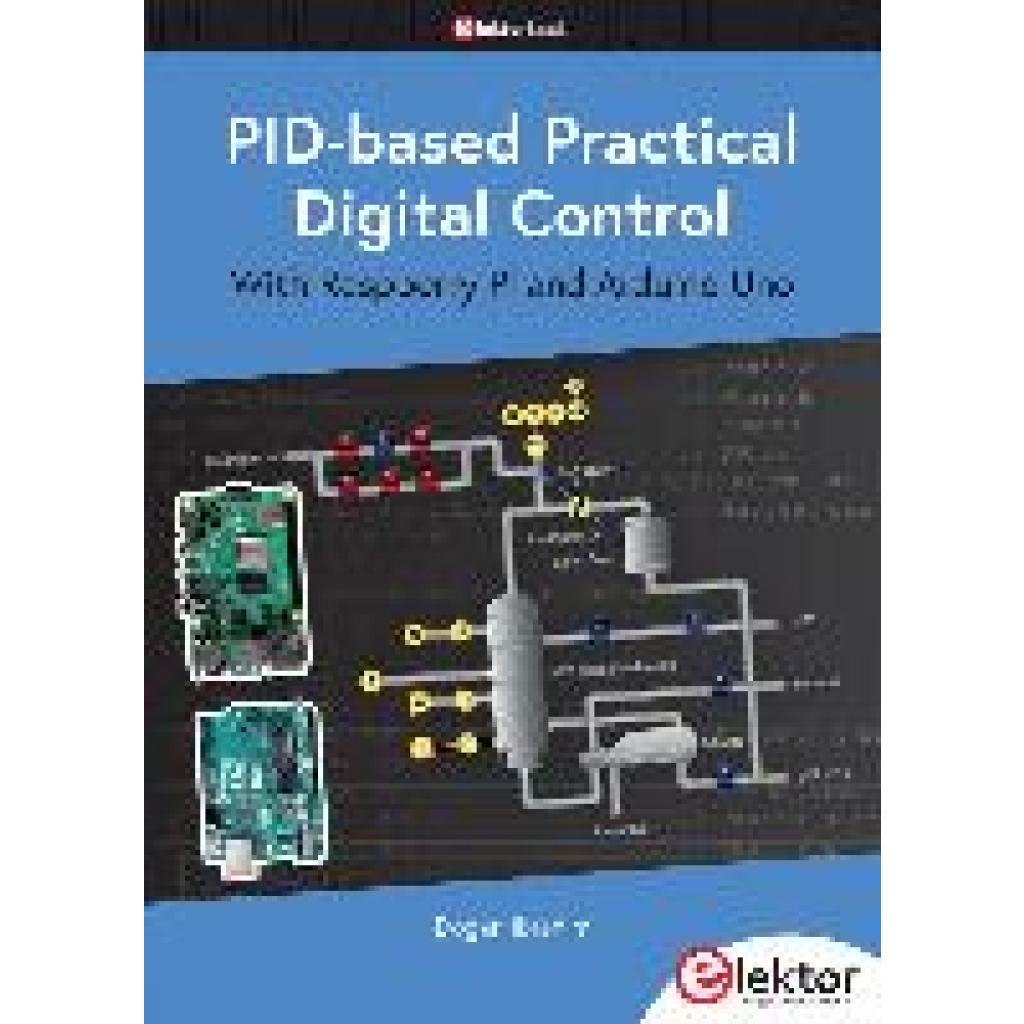
Ibrahim, Dogan: PID-based Practical Digital Control with Raspberry Pi and Arduino UnoPID-based Practical Digital Control with Raspberry Pi and Arduino Uno , The Arduino Uno is an open-source microcontroller development system encompassing hardware, an Integrated Development Environment (IDE), and a vast number of libraries. It is supported by an enormous community of programmers, electronic engineers, enthusiasts, and academics. The libraries in particular really smooth Arduino programming and reduce programming time. What's more, the libraries greatly facilitate testing your programs since most come fully tested and working. The Raspberry Pi 4 can be used in many applications such as audio and video media devices. It also works in industrial controllers, robotics, games, and in many domestic and commercial applications. The Raspberry Pi 4 also offers Wi-Fi and Bluetooth capability which makes it great for remote and Internet-based control and monitoring applications. This book is about using both the Raspberry Pi 4 and the Arduino Uno in PID-based automatic control applications. The book starts with basic theory of the control systems and feedback control. Working and tested projects are given for controlling real-life systems using PID controllers. The open-loop step time response, tuning the PID parameters, and the closed-loop time response of the developed systems are discussed together with the block diagrams, circuit diagrams, PID controller algorithms, and the full program listings for both the Raspberry Pi and the Arduino Uno. The projects given in the book aim to teach the theory and applications of PID controllers and can be modified easily as desired for other applications. The projects given for the Raspberry Pi 4 should work with all other models of Raspberry Pi family. The book covers the following topics: Open-loop and closed-loop control systems Analog and digital sensors Transfer functions and continuous-time systems First-order and second-order system time responses Discrete-time digital systems Continuous-time PID controllers Discrete-time PID controllers ON-OFF temperature control with Raspberry Pi and Arduino Uno PID-based temperature control with Raspberry Pi and Arduino Uno PID-based DC motor control with Raspberry Pi and Arduino Uno PID-based water level control with Raspberry Pi and Arduino Uno PID-based LED-LDR brightness control with Raspberry Pi and Arduino Uno The full program listings of all the projects discussed in the book may be downloaded free of charge from www.elektor.com/20274. , Eiskratzer & Schneebürste > Autopflege & Aufbereitung , Erscheinungsjahr: 20220905, Autoren: Ibrahim, Dogan, Seitenzahl/Blattzahl: 236, Abbildungen: farbige Abbildungen, Keyword: Arduino; PID Controller; Programming; Projects; Raspberry Pi, Fachschema: Embedded System~Mikrocontroller~Raspberry Pi (Einplatinencomputer), Warengruppe: HC/Elektronik/Elektrotechnik/Nachrichtentechnik, UNSPSC: 49019900, Warenverzeichnis für die Außenhandelsstatistik: 49019900, Länge: 231, Breite: 168, Höhe: 16, Gewicht: 450, Produktform: Klappenbroschur, Genre: Mathematik/Naturwissenschaften/Technik/Medizin,32,76 €*Versand: 0,00 €Sichere Weiterleitung zum Anbieter


-
Was sind die grundlegenden Prinzipien der HACCP (Hazard Analysis and Critical Control Points) in der Lebensmittelindustrie und wie werden sie umgesetzt?
Die grundlegenden Prinzipien von HACCP sind die Identifizierung von Gefahren, die Bestimmung von kritischen Kontrollpunkten, die Festlegung von Grenzwerten, die Überwachung der Kontrollpunkte, die Festlegung von Korrekturmaßnahmen und die Dokumentation aller Schritte. Sie werden umgesetzt, indem ein HACCP-Team gebildet wird, das den gesamten Prozess analysiert, potenzielle Gefahren identifiziert, Kontrollpunkte festlegt, Überwachungsmaßnahmen implementiert, Korrekturmaßnahmen entwickelt und alle Schritte dokumentiert. Die Einhaltung der HACCP-Prinzipien ist entscheidend, um die Sicherheit von Lebensmitteln zu gewährle **
-
Welche Vorteile bietet die Produktion und der Vertrieb von Kleinmengen anstatt Massenproduktionen? Bea, urging considerations in competitive pricing, quality control, and resource management.
Die Produktion von Kleinmengen ermöglicht eine schnellere Anpassung an Markttrends und Kundenbedürfnisse. Kleinmengenproduktion ermöglicht eine bessere Qualitätskontrolle und reduziert das Risiko von Überproduktion. Durch die Produktion von Kleinmengen können Ressourcen effizienter genutzt werden und es besteht weniger Lagerhaltungskosten. **


Top-Angebote
Produkte zum Begriff Springer-Subsea-Control-and:
-
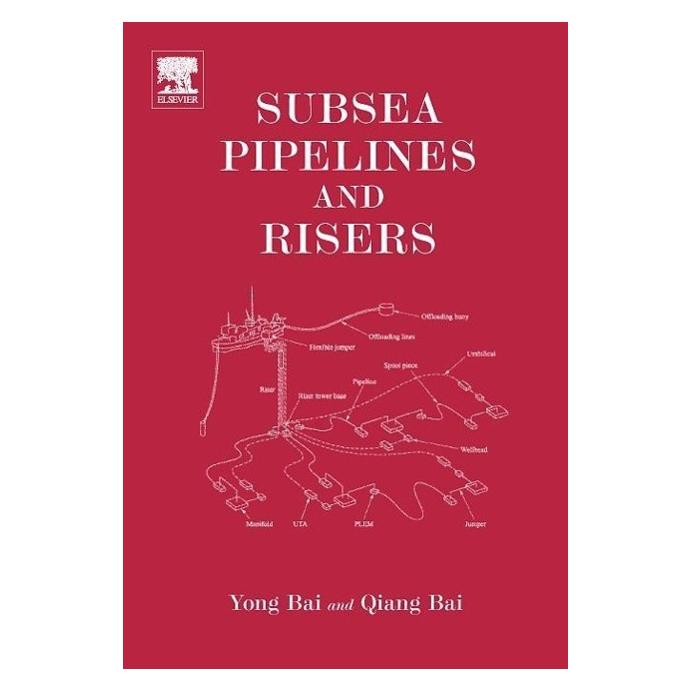
Springer Design and Installation of Subsea Systems (Englisch, Softcover, Society for Underwater Technology (SUT)) (63726800)Springer Design and Installation of Subsea Systems (Englisch, Softcover, Society for Underwater Technology (SUT)) (63726800)160,49 €*Versand: 0,00 €Sichere Weiterleitung zum Anbieter
-
Ibrahim, Dogan: PID-based Practical Digital Control with Raspberry Pi and Arduino UnoPID-based Practical Digital Control with Raspberry Pi and Arduino Uno , The Arduino Uno is an open-source microcontroller development system encompassing hardware, an Integrated Development Environment (IDE), and a vast number of libraries. It is supported by an enormous community of programmers, electronic engineers, enthusiasts, and academics. The libraries in particular really smooth Arduino programming and reduce programming time. What's more, the libraries greatly facilitate testing your programs since most come fully tested and working. The Raspberry Pi 4 can be used in many applications such as audio and video media devices. It also works in industrial controllers, robotics, games, and in many domestic and commercial applications. The Raspberry Pi 4 also offers Wi-Fi and Bluetooth capability which makes it great for remote and Internet-based control and monitoring applications. This book is about using both the Raspberry Pi 4 and the Arduino Uno in PID-based automatic control applications. The book starts with basic theory of the control systems and feedback control. Working and tested projects are given for controlling real-life systems using PID controllers. The open-loop step time response, tuning the PID parameters, and the closed-loop time response of the developed systems are discussed together with the block diagrams, circuit diagrams, PID controller algorithms, and the full program listings for both the Raspberry Pi and the Arduino Uno. The projects given in the book aim to teach the theory and applications of PID controllers and can be modified easily as desired for other applications. The projects given for the Raspberry Pi 4 should work with all other models of Raspberry Pi family. The book covers the following topics: Open-loop and closed-loop control systems Analog and digital sensors Transfer functions and continuous-time systems First-order and second-order system time responses Discrete-time digital systems Continuous-time PID controllers Discrete-time PID controllers ON-OFF temperature control with Raspberry Pi and Arduino Uno PID-based temperature control with Raspberry Pi and Arduino Uno PID-based DC motor control with Raspberry Pi and Arduino Uno PID-based water level control with Raspberry Pi and Arduino Uno PID-based LED-LDR brightness control with Raspberry Pi and Arduino Uno The full program listings of all the projects discussed in the book may be downloaded free of charge from www.elektor.com/20274. , Eiskratzer & Schneebürste > Autopflege & Aufbereitung , Erscheinungsjahr: 20220905, Autoren: Ibrahim, Dogan, Seitenzahl/Blattzahl: 236, Abbildungen: farbige Abbildungen, Keyword: Arduino; PID Controller; Programming; Projects; Raspberry Pi, Fachschema: Embedded System~Mikrocontroller~Raspberry Pi (Einplatinencomputer), Warengruppe: HC/Elektronik/Elektrotechnik/Nachrichtentechnik, UNSPSC: 49019900, Warenverzeichnis für die Außenhandelsstatistik: 49019900, Länge: 231, Breite: 168, Höhe: 16, Gewicht: 450, Produktform: Klappenbroschur, Genre: Mathematik/Naturwissenschaften/Technik/Medizin,32,76 €*Versand: 0,00 €Sichere Weiterleitung zum Anbieter
-
Wie funktioniert Park and Control?
Wie funktioniert Park and Control? **
-
Was sind die grundlegenden Prinzipien des HACCP (Hazard Analysis and Critical Control Points) Systems in der Lebensmittelindustrie?
Die grundlegenden Prinzipien des HACCP-Systems in der Lebensmittelindustrie sind die Identifizierung potenzieller Gefahren, die Bestimmung von kritischen Kontrollpunkten zur Vermeidung dieser Gefahren und die Festlegung von Maßnahmen zur Überwachung und Sicherstellung der Lebensmittelsicherheit. Das System basiert auf vorbeugenden Maßnahmen, um Risiken zu minimieren und sicherzustellen, dass die Lebensmittel sicher für den Verzehr sind. Es ist ein proaktiver Ansatz zur Gewährleistung der Lebensmittelsicherheit entlang der gesamten Produktionskette. **
-
Was sind die grundlegenden Prinzipien der HACCP (Hazard Analysis and Critical Control Points) in der Lebensmittelindustrie und wie werden sie umgesetzt?
Die grundlegenden Prinzipien von HACCP sind die Identifizierung von Gefahren, die Bestimmung von kritischen Kontrollpunkten, die Festlegung von Grenzwerten, die Überwachung der Kontrollpunkte, die Festlegung von Korrekturmaßnahmen und die Dokumentation aller Schritte. Sie werden umgesetzt, indem ein HACCP-Team gebildet wird, das den gesamten Prozess analysiert, potenzielle Gefahren identifiziert, Kontrollpunkte festlegt, Überwachungsmaßnahmen implementiert, Korrekturmaßnahmen entwickelt und alle Schritte dokumentiert. Die Einhaltung der HACCP-Prinzipien ist entscheidend, um die Sicherheit von Lebensmitteln zu gewährle **
-
Welche Vorteile bietet die Produktion und der Vertrieb von Kleinmengen anstatt Massenproduktionen? Bea, urging considerations in competitive pricing, quality control, and resource management.
Die Produktion von Kleinmengen ermöglicht eine schnellere Anpassung an Markttrends und Kundenbedürfnisse. Kleinmengenproduktion ermöglicht eine bessere Qualitätskontrolle und reduziert das Risiko von Überproduktion. Durch die Produktion von Kleinmengen können Ressourcen effizienter genutzt werden und es besteht weniger Lagerhaltungskosten. **
Ähnliche Suchbegriffe für Springer-Subsea-Control-and
* Alle Preise verstehen sich inklusive der gesetzlichen Mehrwertsteuer und ggf. zuzüglich Versandkosten. Die Angebotsinformationen basieren auf den Angaben des jeweiligen Shops und werden über automatisierte Prozesse aktualisiert. Eine Aktualisierung in Echtzeit findet nicht statt, so dass es im Einzelfall zu Abweichungen kommen kann. ** Hinweis: Teile dieses Inhalts wurden von KI erstellt.